Charting How Loyalty Tracking Systems Influence Reward Distribution at Emerging Digital Gaming Platforms
Written by Mia Otto · Aug 25, 2026
Charting How Loyalty Tracking Systems Influence Reward Distribution at Emerging Digital Gaming Platforms
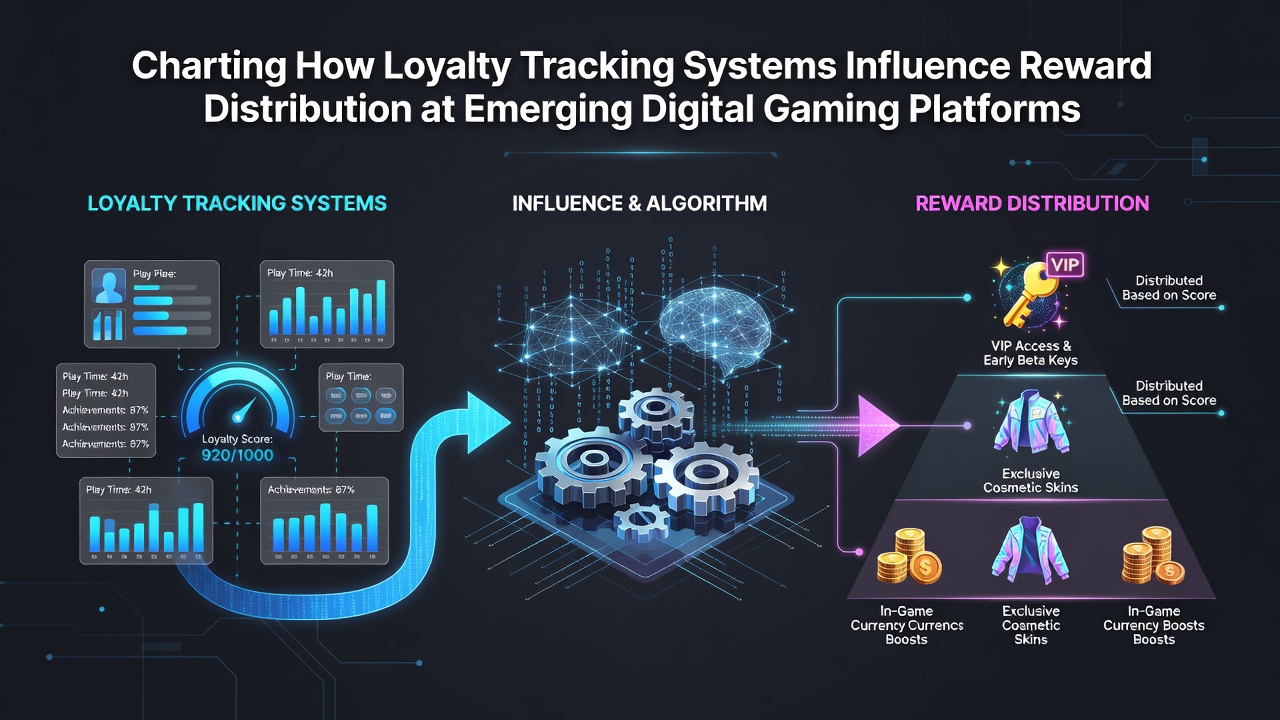
Emerging digital gaming platforms have integrated loyalty tracking systems that monitor player activity across sessions, games, and spending patterns, and these tools directly shape how rewards get allocated through automated algorithms rather than fixed schedules. Data collection starts the moment users log in, capturing details such as time spent on specific titles, wager volumes, and session frequency, which platforms then convert into point totals that determine tier status and subsequent benefit levels.
Mechanics Behind Loyalty Data Collection
Platforms deploy backend software that records every interaction in real time, feeding information into centralized databases where machine learning models analyze trends to predict future behavior. In August 2026 reports from industry observers noted that newer entrants in the mobile gaming space often rely on these systems to differentiate themselves from established operators by offering dynamic adjustments that respond to individual patterns instead of broad promotions. Points accumulate through a combination of deposit amounts, game variety, and retention streaks, yet the distribution of bonuses, free credits, or exclusive access hinges on thresholds that update continuously based on aggregated user data across the platform.
Researchers at institutions tracking digital entertainment trends have documented how segmentation occurs, dividing players into categories like frequent low-stakes participants or high-volume competitors, and each group receives tailored reward structures that platforms claim improve engagement metrics. The process avoids manual intervention because algorithms handle allocation, drawing from historical datasets that include peak activity hours and preferred game mechanics to prioritize certain distributions over others.
Impact on Reward Allocation Strategies
Reward distribution shifts when loyalty systems incorporate predictive elements that forecast churn risk or spending potential, allowing platforms to front-load incentives for users showing early signs of disengagement while reserving premium offers for consistent high contributors. According to findings shared by the Nevada Gaming Control Board in regulatory summaries, digital operators must maintain transparent logs of these tracking processes to ensure compliance with fairness standards, and this requirement influences how emerging platforms design their backend systems to avoid disputes over uneven benefit delivery. Those who study platform economics note that tiered rewards often escalate exponentially once users cross into higher brackets, creating a structure where initial tracking data determines long-term access to cashback percentages or tournament entries.
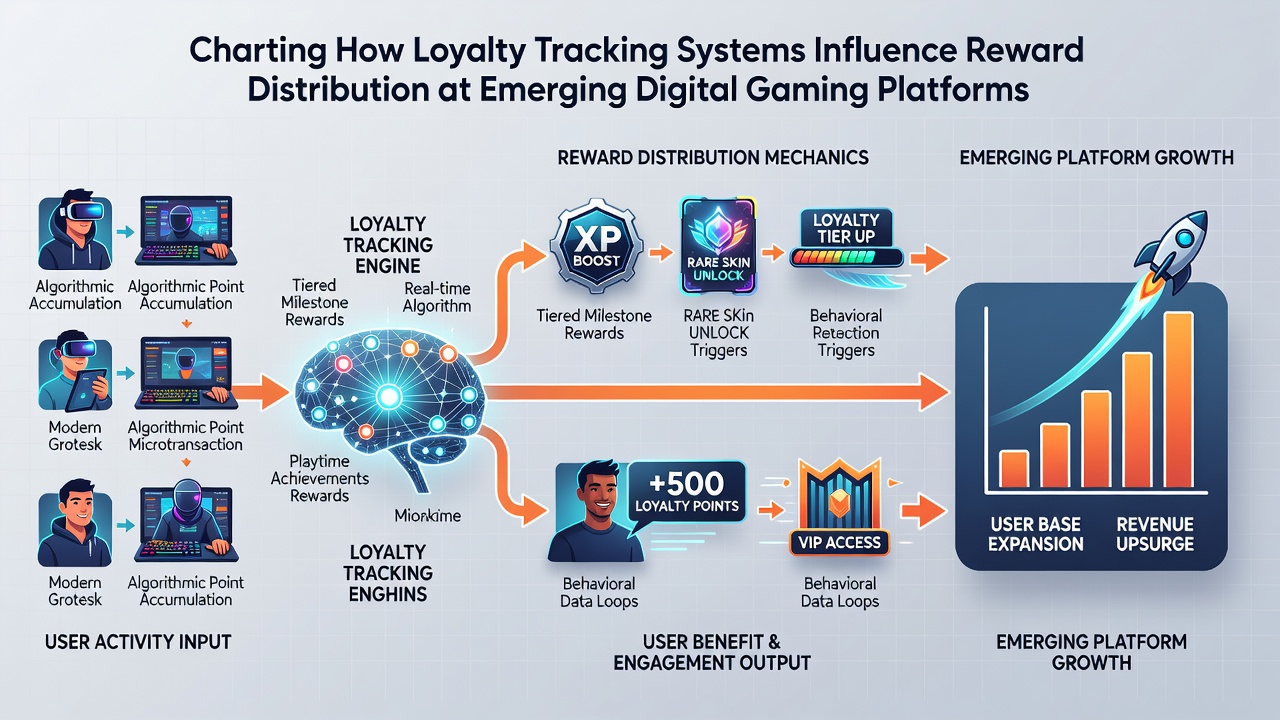
One case examined by analysts at the University of Nevada, Las Vegas International Gaming Institute revealed that platforms using real-time tracking adjusted reward pools monthly based on total player contributions, resulting in more concentrated distributions among a smaller subset of active accounts during periods of high overall volume. This approach relies on cross-referencing multiple data streams, including device usage and geographic indicators, to refine offers that align with regional preferences without violating local rules. Emerging platforms in markets outside traditional hubs have adopted similar frameworks, drawing on open-source tracking tools combined with proprietary scoring models to manage costs while expanding user bases.
Regional Variations and Data Influences
Platforms operating under frameworks from the Australian Communications and Media Authority apply additional layers of oversight to loyalty mechanisms, requiring periodic audits that verify whether tracking data leads to equitable reward spreads across demographic groups. Figures from industry reports indicate that reward redemption rates climb when systems incorporate feedback loops that refine point values in response to actual usage statistics rather than projected estimates. Observers note that in Canada, provincial regulators have examined how loyalty data affects prize pools in online formats, leading some emerging operators to publish aggregate distribution summaries that show percentages allocated to different activity tiers.
What's interesting is how these systems create feedback cycles where early reward access encourages further play, which in turn generates more data for future allocations, and this loop operates continuously without fixed reset periods in many new platforms. Academic papers from European research centers have highlighted correlations between detailed tracking granularity and higher retention figures, though the precise formulas remain proprietary. Platforms balance the need for sophisticated analytics against computational overhead, often prioritizing cloud-based solutions that scale with user growth.
Future Trajectories in Platform Design
As of August 2026, several emerging digital gaming services began testing blockchain-integrated tracking that records loyalty points as verifiable tokens, which then feed directly into reward smart contracts that execute distributions automatically upon meeting predefined criteria. This development reduces reliance on centralized servers for verification while introducing new variables into how rewards flow based on on-chain activity logs. Industry associations such as the European Gaming and Betting Association have compiled datasets showing variance in distribution outcomes when platforms transition from traditional databases to hybrid models that combine legacy tracking with decentralized elements.
People who analyze these shifts point to increased customization potential, where individual reward packages draw from multi-variable models that weigh loyalty tenure against recent behavioral spikes. The result appears in varied redemption options that range from immediate micro-bonuses to deferred high-value experiences, all calibrated through ongoing data feeds. Emerging platforms continue to refine these approaches as user volumes expand and regulatory expectations evolve across jurisdictions.
Conclusion
Loyalty tracking systems on emerging digital gaming platforms function as core infrastructure that determines reward distribution through continuous data analysis and algorithmic decision-making. Evidence from regulatory summaries and academic examinations demonstrates measurable effects on how benefits reach different player segments, with patterns shaped by regional oversight and technological choices. Continued monitoring of these mechanisms will track further adaptations as platforms incorporate new data sources and compliance requirements.