Tracing Player Pathways Through Activation Sequences for Complimentary Rotation Offers at Freshly Licensed Digital Reel Platforms
Written by Mia Otto · Sep 16, 2026
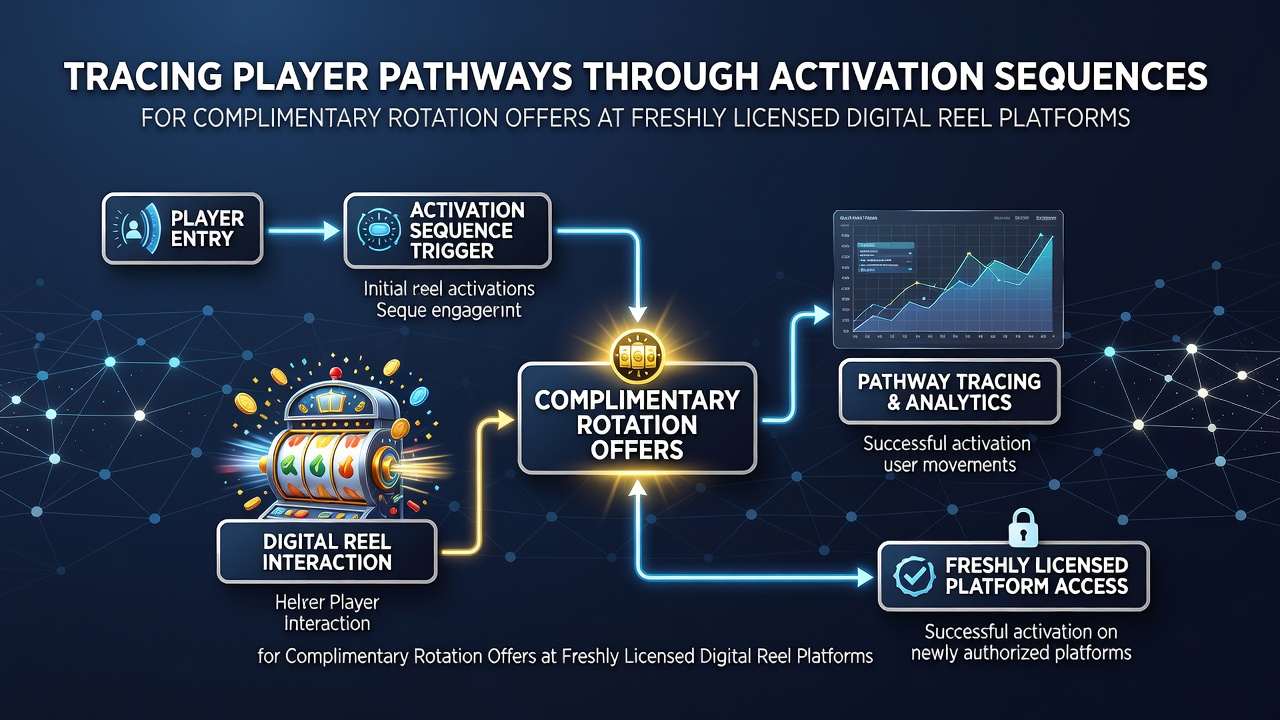
Tracing Player Pathways Through Activation Sequences for Complimentary Rotation Offers at Freshly Licensed Digital Reel Platforms
Player pathways through activation sequences form a structured process at freshly licensed digital reel platforms where complimentary rotation offers move from initial claim to full utilization. These sequences typically begin with account verification followed by deposit confirmation and then proceed through code entry or automatic crediting steps before spins become available on selected reel titles. Data from platform analytics shows that successful completion rates vary based on how clearly each stage presents requirements to users.
Mapping the Core Stages of Activation
Activation sequences break down into distinct phases that platforms log in real time. First comes eligibility confirmation through license verification and age checks, then comes the trigger event such as a minimum deposit or promotional code submission. After that, the system assigns the rotations to a player's account balance where they remain available for a set period. Observers note that platforms launched in 2025 and early 2026 have refined these steps to reduce drop-off points where players abandon the process midway.
September 2026 brought several updates across multiple jurisdictions as new operators completed their onboarding periods. Regulatory filings indicate that platforms introduced streamlined mobile interfaces for the code-entry stage while maintaining separate desktop flows for larger rotation bundles. Those who track user behavior report that completion times shortened by measurable margins once platforms added progress indicators visible at every step.
How Complimentary Rotation Offers Integrate With Player Movement
Complimentary rotation offers serve as entry points that guide players from registration into active reel sessions. The offers attach to specific game libraries so that once activated the spins apply only to designated titles rather than across the entire catalog. Research indicates this targeted approach helps platforms measure which reel mechanics retain attention longest after the initial free plays conclude.
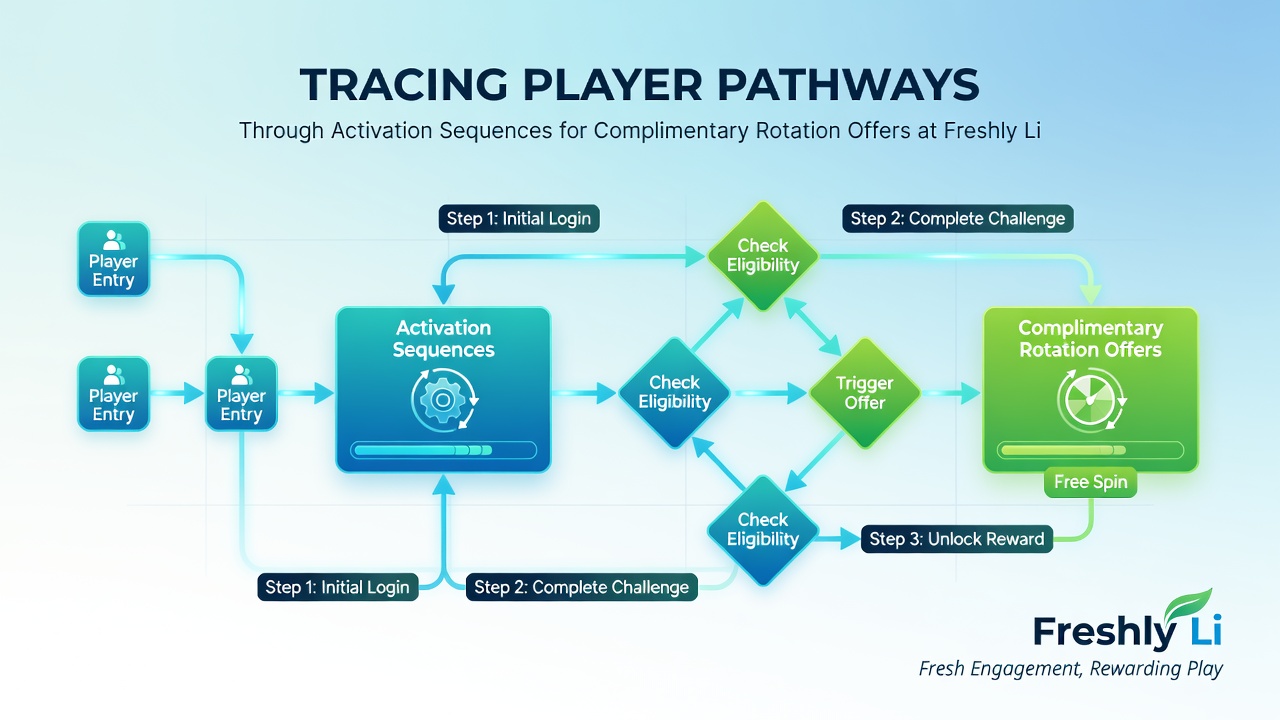
Pathway tracking relies on timestamped logs that record each transition from one sequence stage to the next. When a player claims an offer the system captures the moment of acceptance, the deposit method used, and the exact games selected for the rotations. Figures from industry reports reveal that players who complete activation within the first 24 hours after registration show higher rates of subsequent paid sessions compared with those who delay.
Tracking Tools and Data Collection Practices
Freshly licensed platforms employ backend systems that combine session cookies with account-level identifiers to follow individual pathways without exposing personal details. These tools generate aggregated reports that highlight common friction points such as unclear wagering requirements or delayed crediting. According to a report published by the Nevada Gaming Control Board, operators using real-time dashboards reduced unresolved activation issues by integrating automated alerts that prompt players at each incomplete stage.
Academic studies have examined how sequence design affects completion rates across different regions. One analysis from researchers at the University of Nevada examined data sets from multiple North American platforms and found that offers requiring fewer than three distinct actions achieved the highest activation percentages. The study also noted that platforms which allowed partial progress saving saw fewer full abandonments during the deposit verification phase.
Regional Variations in Sequence Design
Platforms operating under Canadian provincial frameworks often structure activation sequences around verified payment methods before crediting rotations. In contrast, operators licensed in Australian states incorporate mandatory cooling periods between claim and spin usage. These differences create distinct pathway patterns that analysts compare when evaluating cross-border performance metrics.
Industry organizations such as the European Gaming and Betting Association have compiled comparative data showing that sequence length correlates with player retention after the complimentary period ends. Platforms that keep activation under four steps recorded stronger follow-on deposit activity in the weeks following initial use. The data covers operations through the third quarter of 2026 and includes metrics from both established and newly approved sites.
Conclusion
Tracing player pathways through activation sequences provides platforms with measurable insights into how complimentary rotation offers convert into sustained engagement at freshly licensed digital reel environments. teh combination of timestamp logging, stage-specific prompts, and regional regulatory requirements shapes the efficiency of these processes. Data collected through September 2026 continues to inform refinements that align sequence design with observed player behavior across multiple licensing jurisdictions.